On June 18 Anthropic shipped Artifacts in Claude Code: interactive pages built from your session — a PR walkthrough, a living project dashboard — shared with your team at a private link. It's in beta on Team and Enterprise plans.
The framing matters more than the feature. Anthropic didn't ship a code generator or a faster agent. It shipped a way to turn the session itself into something a teammate can read. That's a bet on a specific claim: the most expensive part of shipping software isn't writing the code, it's explaining it to everyone downstream of you.
I think that bet is correct, and I think it's the most interesting thing Anthropic has done in Claude Code this year. I also think the beta gating undercuts the one place the bet has to prove out.
The explanation tax
Every PR you open carries a hidden cost. You understood the change completely while writing it, and then you spend twenty minutes reconstructing that understanding in a description for a reviewer who has none of your context. Multiply that across a team and the explanation tax dwarfs the keystroke cost of the code.
A tweet from @KingAnt, with 80 likes, put it more bluntly than Anthropic's own copy: "The most wasted time in developing my profile isn't the code. It's actually explaining it and that's exactly what this does. The work explained itself." [1]
“Claude Code just got Artifacts. 🛠️ It turns your coding sessions into live interactive pages. The most wasted time in developing my profile isn’t the code. It’s actually explaining it and that’s exactly what this does. The work explained itself. 🤝”
That's the whole pitch in one line. A PR walkthrough generated from the session already has the context — which files changed, why, in what order, what the agent reasoned through. The human doesn't reconstruct it. The session emits it.
What's actually shipping
Two named formats so far: a PR walkthrough and a living project dashboard. Both render as interactive pages, not static markdown, and both live behind a private link scoped to your team rather than a public URL.
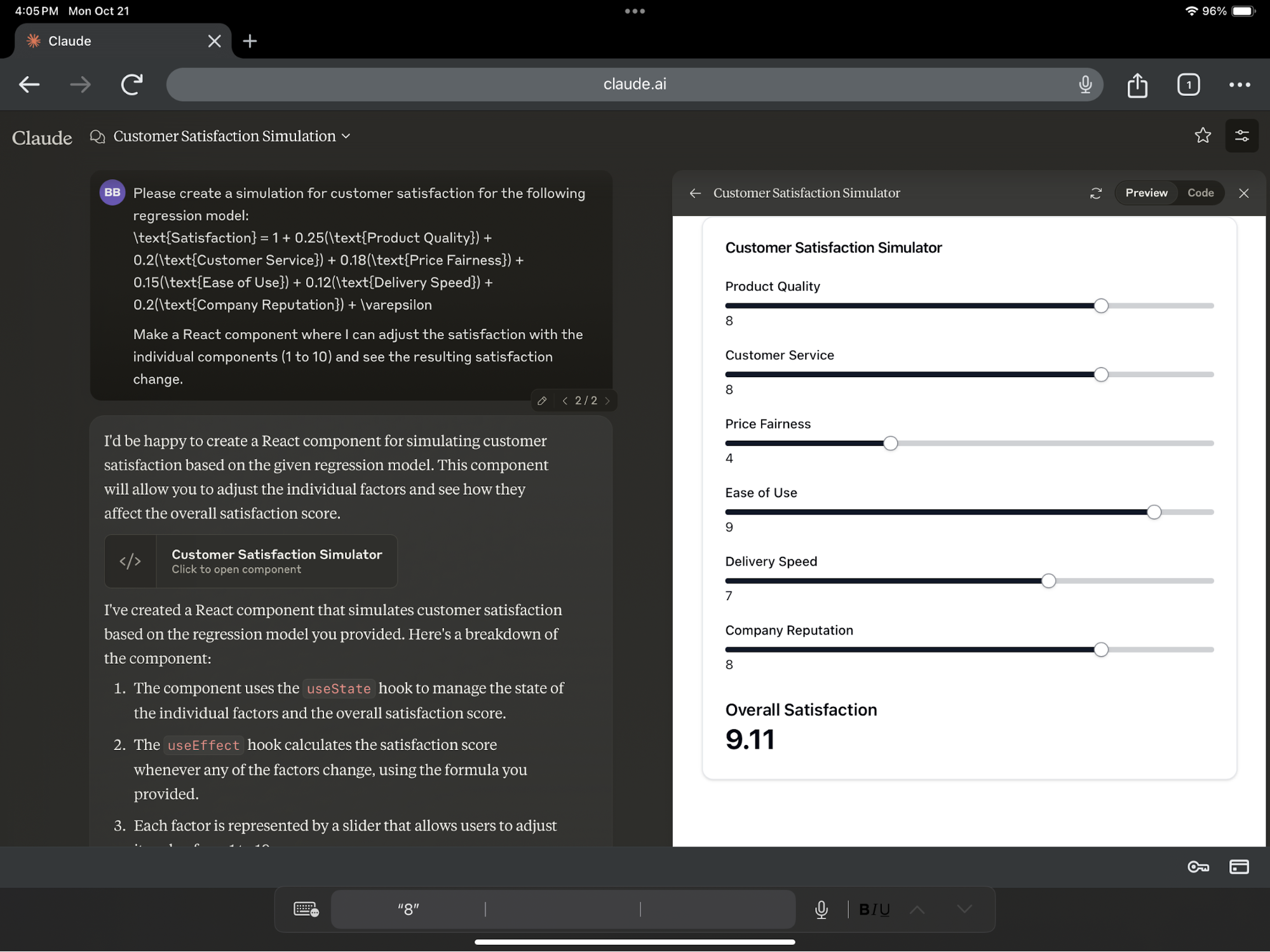
The "living" in living project dashboard is the load-bearing word and the riskiest one. A PR walkthrough is a snapshot — generated once, read once, discarded. A dashboard implies state that stays current as the project moves, which raises the question Anthropic's announcement doesn't answer: who regenerates it, and what happens when it drifts out of sync with the repo. A stale dashboard presented as live is worse than no dashboard. The beta will live or die on how that refresh story works.
What builders actually said
The on-topic reaction was small but sharp, and it clustered on exactly the explanation-tax point above rather than on the novelty of generated pages. The announcement itself pulled 3.6 million views and 646 replies, so attention isn't the problem.
What's telling is where the broader community's energy actually sits, and it isn't here. The standout building story this week was someone shipping a Czech license-plate preview site over a weekend with Claude Code — live font preview, a color configurator, a real database checker for whether your combo is taken. The lesson the author drew: "Find the gap nobody finds interesting enough to fill. That's the whole move." [2]
“CZECHIA HAD NO LICENSE PLATE PREVIEW SITE SO SOMEONE BUILT ONE IN A WEEKEND WITH CLAUDE CODE Live preview with the official font. Color configurator, format validator and a real database checker to see if your combo is taken. Find the gap nobody finds interesting enough to fill. That's the whole move.”
That's the tension. The solo builder shipping a weekend tool has no team to explain the work to, and Artifacts is locked to Team and Enterprise plans anyway. The feature is aimed away from the loudest, fastest-moving part of the Claude Code community and toward the quieter reality of people working inside organizations, where the reviewer, the PM, and the on-call engineer all need the same context and none of them were watching your session.
There's a second current worth naming. Builders increasingly judge a tool by how much of an end-to-end workflow it absorbs rather than how well it does one task — the appeal of tools that "handle an entire workflow instead of just a single task," as one reviewer put it while testing a rival agent. [3] Artifacts reads as Anthropic answering that pressure: the agent doesn't stop at the diff, it carries the work all the way to something a human can consume.
Where the bet could break
Three things make me cautious. It's beta, so the formats and the refresh behavior will change under you. It's gated to paid team tiers, which means the people most likely to stress-test team-collaboration features in public — indie builders and weekend hackers — can't touch it. And the private-link model is a trust surface: an interactive page generated from a full coding session can leak more context than a tidy PR description ever would, and the announcement says nothing about what's redacted or who can open the link beyond "your team."
None of that sinks the idea. It just means the idea is currently a promise. The explanation tax is real and underserved, and a session-native artifact is a genuinely better answer to it than a human retyping context into a text box. Whether the generated walkthrough is accurate enough to trust unreviewed is the question the beta exists to answer.
Where this leaves us
If you're on a Team or Enterprise plan, turn Artifacts on for one real PR this week and check the walkthrough against what you'd have written by hand — the gap between them is the actual value, and you can only measure it on your own code. Watch specifically for the dashboard refresh story, because a snapshot pretending to be live is the failure mode to catch early. And if you're a solo builder, this release isn't for you yet; the interesting signal is simply that Anthropic now thinks the bottleneck in Claude Code is communication, not generation. That's a more mature read of where the work actually is.
Sources
- Tweet by @KingAnt — @KingAnt · community
- Tweet by @RoundtableSpace — @RoundtableSpace · community
- Tweet by @dee_naliaks — @dee_naliaks · community