Anatoli Kopadze told a 706,000-view audience that Google just dropped a free 8-minute lesson on building your first AI agent, called it "the clearest explanation of AI agents and loops you'll find anywhere," and added that "people are paying $500 for courses that teach less than this."
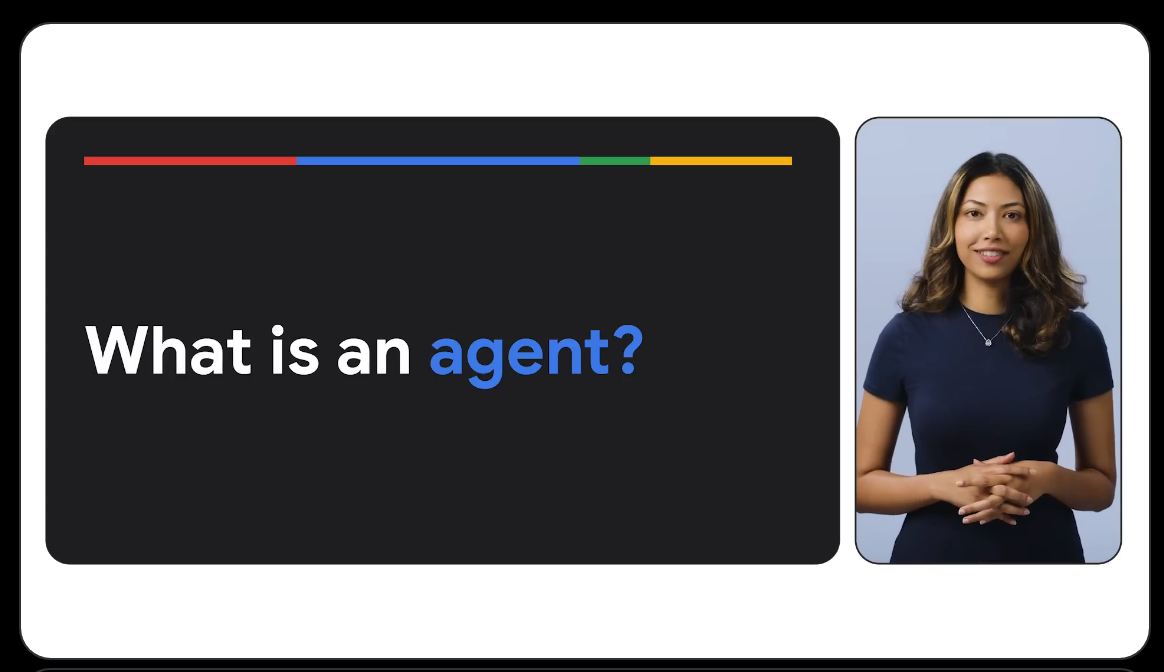
I clicked through. The lesson is fine. The sentence selling it is a template.
The same pitch, different numbers
Two days earlier, @jackcoder0 posted that "Anthropic just showed a 24-minute workshop on how to actually do prompts for Claude... Free. No registration. No paywall. I've seen $300 courses that don't cover what they teach in the first 8 minutes." It picked up 1,461 likes. [1] Then @Dipanshu_AI posted the identical text — same "no registration, no paywall," same "$300 courses," same "first 8 minutes" — except the workshop is 27 minutes instead of 24. [2]
When the only variable between two "🚨 just dropped" announcements is whether the video runs 24 or 27 minutes, that's not a discovery. It's a content format. And the price anchor is unfalsifiable by design: no course is ever named, so no one can check whether a real $300 course teaches less.
“🚨 Anthropic just showed a 24-minute workshop on how to actually do prompts for Claude. Taught by the people who built it. Free. No registration. No paywall. I've seen $300 courses that don't cover what they teach in the first 8 minutes. Watch it and bookmark it now.”
The genre has a token-farming cousin. A 986-like post from @israfill announces a provider handing out "10M free tokens/mo to Claude Opus 4.8, GPT 5.5, DeepSeek V4, GLM 5.2 and 340+ models," no credit card, "just google login and 2 min setup." [3] Same grammar every time: a round number, manufactured urgency, frictionless signup.
What's actually worth eight minutes
Strip the marketing and Kopadze's underlying point holds up. He writes that most people who use AI every day "still use it the slowest way there is: type a request, wait, fix it, ask again, all by hand." That's a real gap, and the fix is the loop.
An AI agent isn't a smarter prompt. It's a model placed inside a loop that can call a tool, read the result, and decide whether it's done.
That single mechanic — model proposes an action, a tool executes it, the model observes and decides whether to continue — is what separates an AI agent from a chatbot. Kopadze's follow-up guide is built entirely around teaching those agent loops. If an 8-minute video makes the loop click for you, it's worth the eight minutes no matter who's hyping it or what number they slapped on a hypothetical course.
The catch is that watching a free lesson is the easy part. Loops are simple to draw and annoying to run well. The hard questions, when does the agent stop, what happens when a tool call fails, how you keep it from looping forever, are exactly what an 8-minute clip can't cover. That's where the real $300 of learning actually lives, and no viral tweet is going to hand it to you.
Where this leaves us
Treat the lesson and the pitch as two separate things.
Watch the free material, from Google, Anthropic, or anyone else. First-party teaching from the people who build these models is the best deal in the space, and that part of the hype is true.
Discount the price anchor completely. "$500 courses teach less" and "$300 courses don't cover the first 8 minutes" are rhetorical moves, not measurements, and the fact that they appear word-for-word across unrelated accounts tells you how much thought went into the specific numbers.
Judge any agent tutorial by one test: does it teach you what the loop does when something goes wrong? If it only shows the happy path where every tool call succeeds, you watched a demo, not a lesson. Build a tiny agent that calls one real tool, make that tool fail on purpose, and see whether what you learned tells you how the loop should react. That five-minute exercise will teach you more than the next ten "🚨 just dropped" tweets combined.
Sources
Primary source: Anatoli Kopadze (@AnatoliKopadze) on X
- Tweet by @jackcoder0 — @jackcoder0 · community
- Tweet by @Dipanshu_AI — @Dipanshu_AI · community
- Tweet by @israfill — @israfill · community